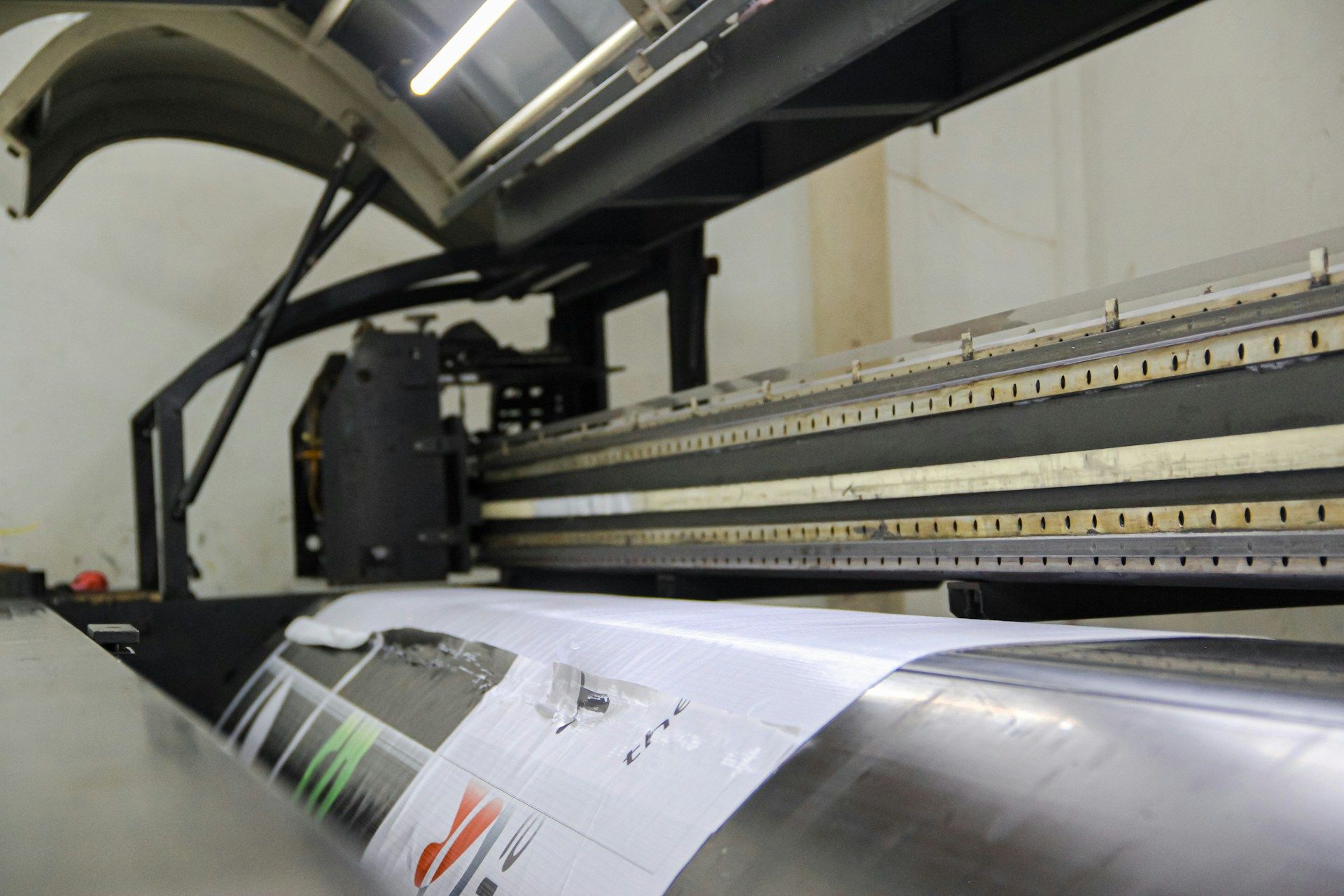
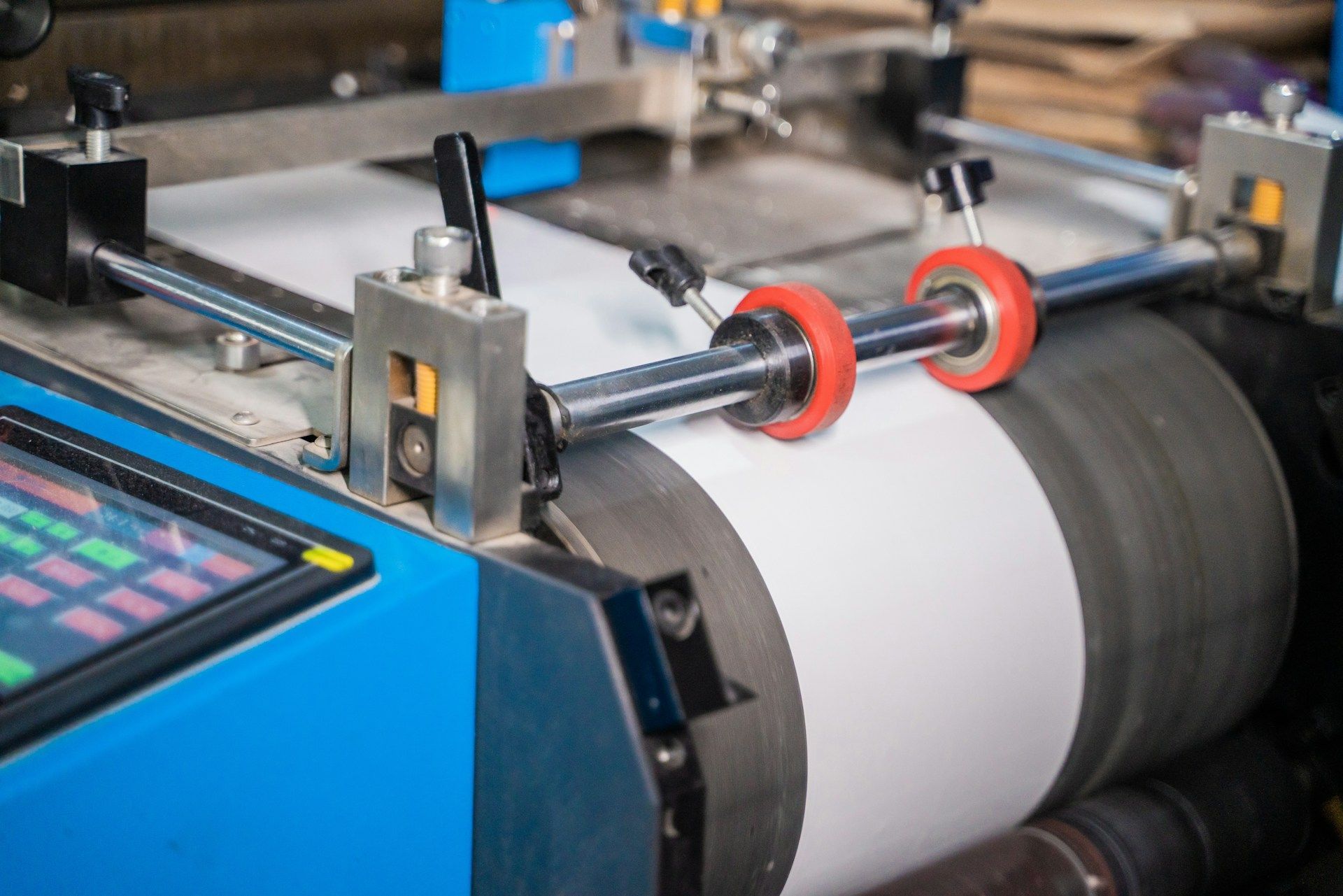
When Local Multi-Web Printing Puts Brand Equity at Risk
Multi-web printing gives brands the flexibility to run multiple SKUs, constructions, and layers in a single pass. For teams managing complex label programs, it can feel like the perfect answer to tight timelines and growing product lines, especially when production is local in Connecticut. But when process control is weak, the same approach that saves time can quietly erode brand equity.
The risk is simple: labels stop matching what your brand team approved. Color shifts, small copy moves out of place, and critical regulatory text loses clarity. For regulated and brand-sensitive categories, that is not a cosmetic problem; it is a business risk. At DG Labels, we are a GMI-certified precision label manufacturer, and we treat each label as a high-value brand asset. Multi-web printing is powerful, but it must be tightly controlled under a GMI-certified framework to avoid hidden liabilities.
To understand how a GMI-driven approach can stabilize your program, Request a Quote and review options with our technical team.
Hidden Failure Points in Multi-Web Printing Workflows
Multi-web production connects several webs across a single press. When the process is not controlled, small technical shifts can create large brand problems.
One common failure point is web alignment and registration. If each web does not track exactly as planned, you can see:
- Copy sliding toward a die edge or into a fold
- Barcodes stretching, shrinking, or breaking into the trim
- Die cuts drifting so labels apply crooked or cut into artwork
On small-format labels or high-density content, a fraction of a millimeter matters. In regulated markets, that misalignment can cut off warnings, squeeze dosage instructions, or push mandatory statements into areas where they are hard to read. That can trigger product holds, repacks, or regulatory questions.
Color is another area where multi-web printing in Connecticut can go wrong when there is no disciplined, GMI-certified process. Without GMI-level controls:
- Color can shift from lane to lane on the same roll
- Logos can look different between repeats
- Brand blocks and tier colors can lose clear separation
When cartons or bottles sit side by side, and do not match, consumers notice. That weakens trust and can force brand teams to scrap inventory that technically runs fine on the line but fails visually.
Material choice also plays a bigger role than many teams expect. If substrates, liners, or adhesives vary between runs, you can see:
- Changes in ink laydown and gloss that alter color appearance
- Variable data that prints clearly on one material, but not another
- Adhesive behavior that affects label flatness or edge lift in the field
Unmanaged material variability can hurt print durability, barcode scan rates, and packaging line speed. What looks like a “press issue” is often a materials control problem that should be addressed upstream within a GMI-governed specification set.
When Color Variance Becomes a Global Brand Liability
As brands grow, they move past one plant, one region, and one label. Multi-web programs often feed multiple facilities and multiple markets. Without shared standards and GMI Certification as the Global Control Point, color drift becomes almost guaranteed.
Across plants and regions, subtle shifts in ink, plates, substrates, and press settings can create visible differences. Even small delta-E shifts can:
- Blur the gap between good, better, best product tiers
- Weaken shelf recognition for hero SKUs
- Make premium lines look mismatched or lower quality
Retailers and global brands are paying closer attention to both visual and regulatory compliance. Many now expect:
- Tight color accuracy on logos and brand blocks
- Consistent label hierarchy and layout across SKUs
- Clean, legible regulatory copy and barcodes that verify easily
When those expectations are not met, the downstream effects can include disrupted planograms, chargebacks, or removal from preferred supplier lists.
This is why GMI certification is a non-negotiable standard for label programs. GMI is an independent system that requires:
- Calibrated presses and color-managed workflows
- Documented quality checks on every run
- Consistent target matching across orders and locations
By operating under GMI certification, we lock down color decisions to data, not opinion. That structure keeps multi-web printing predictable, even when programs scale across products and regions.
To reduce global color variance and brand risk, engage a GMI-certified partner. Request a Quote to benchmark your current multi-web program against a fully GMI-controlled workflow.
GMI-Certified Control for Complex Multi-Web Applications
For multi-web printing to support brand goals instead of threatening them, process control must start long before the press run. At DG Labels, we build that control into every stage under our GMI-certified quality system.
Our workflows for multi-web printing in Connecticut include:
- Prepress profiling built around your approved color targets
- Color-managed proofing so signoffs match final production
- Plate optimization tuned to your construction and substrate
- In-press spectral measurement that keeps all lanes on target
On press, tight web handling and registration control are non-negotiable, especially for:
- Multi-layer and extended content labels
- Complex constructions with windows or reveals
- Promotional overwraps and multi-SKU campaigns run together
We also focus on print and material capability that supports demanding applications. Our teams work across:
- High-resolution flexographic and digital hybrid platforms
- A broad range of films, foils, papers, synthetics, and specialty builds
- Coatings and finishes for chemical, moisture, and abrasion resistance
This technical base, governed by GMI certification, makes it possible to hold visual and functional consistency across an entire product family, including regulated and brand-sensitive lines.
The job is not finished when the ink dries. Full bindery services protect labels before they ever reach your line. Controlled slitting, sheeting, finishing, and packaging help reduce:
- Edge chipping and surface damage
- Roll-to-roll variation that complicates setup
- Handling issues that lead to early failures in production
By supplying formats tailored to your exact application equipment, we help minimize startup waste and avoid on-line surprises.
To evaluate how GMI-certified control and full bindery services can stabilize your label supply, Request a Quote and review a technical scope with our team.
Minimizing Seasonal Volume Risk Ahead of Q4 Launches
Seasonal peaks expose weak label processes. Before end-of-year and Q4 launches, timelines get tight, volumes climb, and every delay hurts. When multi-web printing is not tightly controlled, problems can surface exactly when there is the least time to fix them.
Unvetted workflows can cause last-minute chaos when color, registration, or regulatory issues appear during final checks. A correction that might be manageable in a slow month can delay shipments when production slots are already full.
To protect high-stakes launches, we focus on scenario planning and controlled scale-up, anchored by our GMI-certified quality framework. That often includes:
- Pilot runs for complex formats and new constructions
- Locked color signoffs based on measured proofs
- Documented standards that tie back to GMI checkpoints
Once volume ramps, consistent output depends on repeatable control. GMI-driven checks ensure replenishment orders match the original approval, not a “close enough” version.
Capacity and responsiveness are also part of risk management for seasonal peaks. Multi-web printing in Connecticut must be supported by:
- Capacity planning for expected surges
- Fast, controlled handling of artwork and regulatory updates
- Continuity strategies for brands that ship to multiple sites or regions
When those pieces work together under GMI certification, labels stop being a late-stage variable and become a stable part of the launch plan.
If Q4 launches are critical to your portfolio, Request a Quote to review a GMI-certified seasonal readiness plan for your label program.
Turning Multi-Web Printing From Exposure to Advantage
Multi-web printing does not have to be a gamble. Under disciplined, GMI-certified control, it becomes a platform for SKU complexity, precise promotions, and reliable regulatory content. Labels match the approved standard, run after run, lane after lane.
DG Labels focuses on protecting brand integrity for regulated and brand-sensitive markets through GMI certification and tightly controlled workflows. If you see color variation between lots, recurring barcode issues, constant press checks to “fix” color, or last-minute compliance edits on press, those are all signs that your current label program is carrying more risk than it should. With the right GMI-certified controls in place, multi-web printing becomes a strategic advantage instead of a brand liability.
To convert your current risks into controlled performance, Request a Quote and engage our team in a technical review of your multi-web label program.
Get Started With Your Project Today
If you are ready to improve your label performance and production efficiency, our team is here to help you choose the right
multi web printing in Connecticut solution. At DG Labels, we work closely with you to match materials, colors, and configurations to your exact requirements. Tell us about your timelines, quantities, and application challenges so we can recommend the most effective approach. To discuss your project with a specialist, simply
contact us today.